
Biosynthesis and Life Science
Research on synthetic biology, life mechanisms, and core technology platforms to support long-term innovation.
Hong Kong Institute of Biomedical Research Limited (short form: Hong Kong Institute of Biomedical Research) is an innovative, forward-looking modern research institution. Centred on interconnected laboratories, it assembles global experts, research teams and industrial resources to strengthen biomedical research and application capacity. It conducts cross-disciplinary research covering biosynthesis, life sciences, bio-extraction, TCM, TCM pathology, integrated Chinese and Western medicine, AI data science and virological pharmaceutics, focusing on translating research results into practical commercial applications. Leveraging Hong Kong’s international advantages and Greater Bay Area synergy, the Institute fosters deep collaboration between the Chinese mainland, Hong Kong and global research bodies, universities and enterprises to realise coordinated progress in innovation, platform construction, talent training and industrial services。
Hong Kong Institute of Biomedical Research Limited (short form:HK Institute of Biomedical Research) is a modern online-offline integrated research collaboration platform built upon Hong Kong’s international research ecosystem. Capitalising on Hong Kong’s edge in global exchanges, it links R&D bodies in the Greater Bay Area and worldwide. The institute concentrates on two core research areas: modernisation of traditional Chinese medicine and interdisciplinary biosynthesis.
Our institute has developed a distributed research model featuring cloud-based online coordination paired with offline physical implementation. Integrated with a multi-terminal collaborative platform built on large AI models, it unites global industry specialists, local researchers, industrial engineers, and university teaching & research staff to jointly tackle core research projects. For major research programs, testing tasks are divided based on the technical strengths of partner organizations. Each party conducts specialized experiments independently at its own laboratory facilities, followed by centralized data aggregation. Our full business portfolio includes basic pharmacological investigation, R&D of natural plant extraction processes, practical deployment of synthetic biology experiments, development of topical formulations, industrialization transformation of scientific achievements, and domestic & international academic exchanges. Taking advantage of cross-border linkage strengths, we have established two-way cooperation channels connecting universities and biotech enterprises in Chinese mainland, Hong Kong and overseas markets. We have built an all-in-one comprehensive research hub integrating pilot-scale trials, process iteration, mass-production tuning of raw material formulas, and academic journal publishing services.
This is a Biomedical‑Technology Enterprise registered in the Hong Kong Special Administrative Region. Its corporate mission is to promote industry best‑practices and raise awareness for the biomedical‑technology sector, while delivering added value to its members, including students, researchers, entrepreneurs, industry associations, as well as representatives from public and private sectors. Founded by pioneering scientists with solid life‑science background and multicultural expertise across research, engineering and business, the company is committed to building an integrated online‑and‑offline international platform to advance Hong Kong’s biomedical‑technology industry. It enhances public outreach and fosters cross‑border research collaboration. The company provides professional insights, technical consultation and support for research‑result translation for government agencies, medical institutions, universities and research institutes worldwide.
Leveraging Hong Kong’s international research, financial, and legal environment to support biomedical innovation and translation.
Working with mainland universities, hospitals, laboratories, and industry resources to strengthen the research-to-translation pipeline.
Leveraging its self-developed multi-port AI intelligent collaboration platform, the Hong Kong Institute of Biomedical Research opens cooperation channels to biomedical experts, higher education institutions and professional research institutions worldwide. Adopting an innovative model of cloud-based overall coordination and distributed laboratory experimentation across regions, the platform enables domestic and overseas partners to undertake world-class biomedical research projects jointly with the Institute using their existing laboratory facilities and sites, without equipment relocation or venue adjustment. During project implementation, experimental tasks are allocated intelligently based on the technical strengths of partner institutions. All participants conduct specialized experiments on-site and submit all experimental data through exclusive AI ports for unified aggregation and archiving in the Institute’s central database. Supported by this intelligent collaborative system, the Institute continuously integrates global research resources to carry out joint studies in key fields including genetic vaccine development, biosynthesis technology, modern extraction of traditional Chinese medicinal materials, and transdermal formulation development. It builds a sustainable international mechanism for academic exchanges and industrial transformation of research achievements.
Research on synthetic biology, life mechanisms, and core technology platforms to support long-term innovation.
Studies on extraction, purification, evaluation, and application of plant-based and natural active compounds.
Combining traditional Chinese medicine theory, pathology mechanisms, and modern scientific approaches.
Linking basic science, clinical demand, and industry application through cross-disciplinary collaboration.
Using AI and data science tools to improve screening, decision support, evaluation, and digital research workflows.
Advancing antiviral strategies, infectious disease prevention, and oral vaccine development through joint programs.
Encourage research and development across biomedical fields and strengthen the output of original, application-ready results.
Connect biomedical research with downstream products, services, and end-use applications in Hong Kong and beyond.
Support independent and collaborative work in clinical research, data science, development, and translational programs.
Work with public bodies, universities, research institutions, funds, and companies on regional biomedical development projects.
Promote production, market development, and industrialization through project-based and market-oriented mechanisms.
Increase international recognition through conferences, research topics, and wider scientific exchange.
Highlights Professor Lin Wenjie’s Nobel-linked academic lineage, oral vaccine milestones, founding background, and international research credentials.
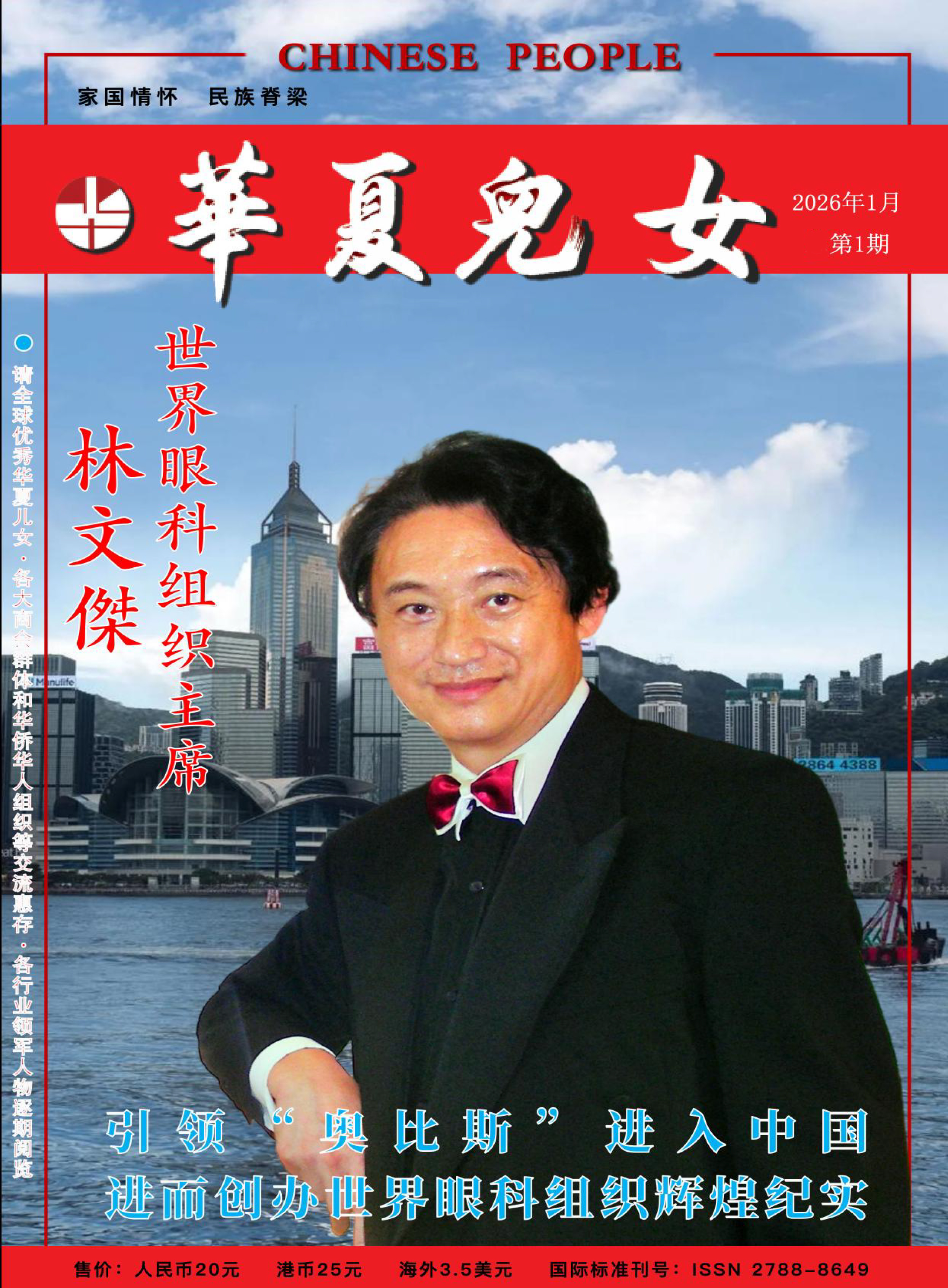
Honorary Founding Dean
Scientist Trained in a Nobel Laureate Lineage · Pioneer of Oral Vaccine Research and Development · First President of the Hong Kong Institute of Biotechnology
Professor Lin Wenjie has long focused on neurobiology, ophthalmology, bioengineering, and oral vaccine research, combining world-class academic training with experience in founding government-level research platforms and driving cross-regional industry collaboration.
Rooted in Nobel-caliber scholarship, connecting government-level research platforms with real-world industrialization in the Greater Bay Area.
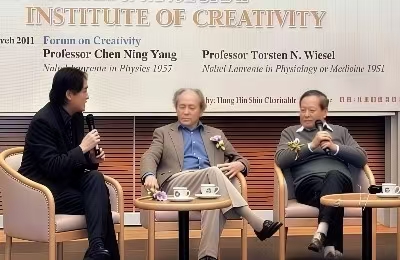
In 1970, Professor Lin Wenjie pursued advanced study at Harvard Medical School in the United States, where he trained under 1981 Nobel Prize winners in Physiology or Medicine Torsten Wiesel and David Hubel, conducting research in neurobiology, ophthalmology, and bioengineering and establishing a strong international academic foundation.
From the 1970s through the 1980s, Professor Lin served as a researcher at Harvard Medical School, professor of ophthalmology at Baylor College of Medicine, and director of a biotechnology center at the Texas Medical Center. He also founded a biotechnology company in Houston, which was listed on NASDAQ in 1988, earning him the reputation of the “father of Texas biotechnology.”
That same year, at the invitation of the Hong Kong government and with support from internationally renowned scientists including Yang Zhenning and Charles K. Kao, Professor Lin founded the Hong Kong Institute of Biotechnology and served as its first president, laying the groundwork for one of Hong Kong’s earliest flagship biotechnology research platforms.
In 2022, the Hong Kong Institute of Biomedical Sciences was formally established to advance nanobiomedicine, the modernization of traditional Chinese medicine, and the broader health industry. The institute was officially registered with the approval of the Government of the Hong Kong Special Administrative Region and gained recognition and collaborative support from universities and research institutions in China and abroad.
Professor Lin serves as Honorary Founding Dean, bringing in his Nobel-linked academic lineage, oral vaccine technology platform, and global scholarly network. Academician Huang Xirun serves as Executive Vice Dean, overseeing technology transfer, industry-academia-research collaboration, and industrialization planning across the Guangdong-Hong Kong-Macao Greater Bay Area.
Together, they are building a collaborative model that links Nobel-level academic origins, government-level research platforms, and academicians’ industrial implementation, promoting deep integration between international research resources and local industrial capabilities.
Advanced study at Harvard Medical School under Torsten Wiesel and David Hubel, with systematic research in neurobiology, ophthalmology, and bioengineering.
Served as a researcher at Harvard Medical School, professor of ophthalmology at Baylor College of Medicine, and director at the Texas Medical Center, while also founding a Houston biotechnology company that was listed on NASDAQ in 1988.
In 1988, upon invitation facilitated by the Hong Kong Government through Academicians Yang Chen-Ning and Charles Kao, Professor Lin Wenjie, who was then based in the United States, returned to Hong Kong to establish the Hong Kong Biotechnology Research Institute. The institute was sited at Tolo Harbour, and its master planning laid a foundational blueprint for the subsequent development of Hong Kong Science Park.
Pioneered research on an edible, mucosal, needle-free oral vaccine platform, creating a low-cost and scalable pathway for large-scale public health protection.
The oral vaccine program completed animal studies and achieved practical application, later receiving international recognition from TIME magazine and MIT as a globally visible technological achievement.
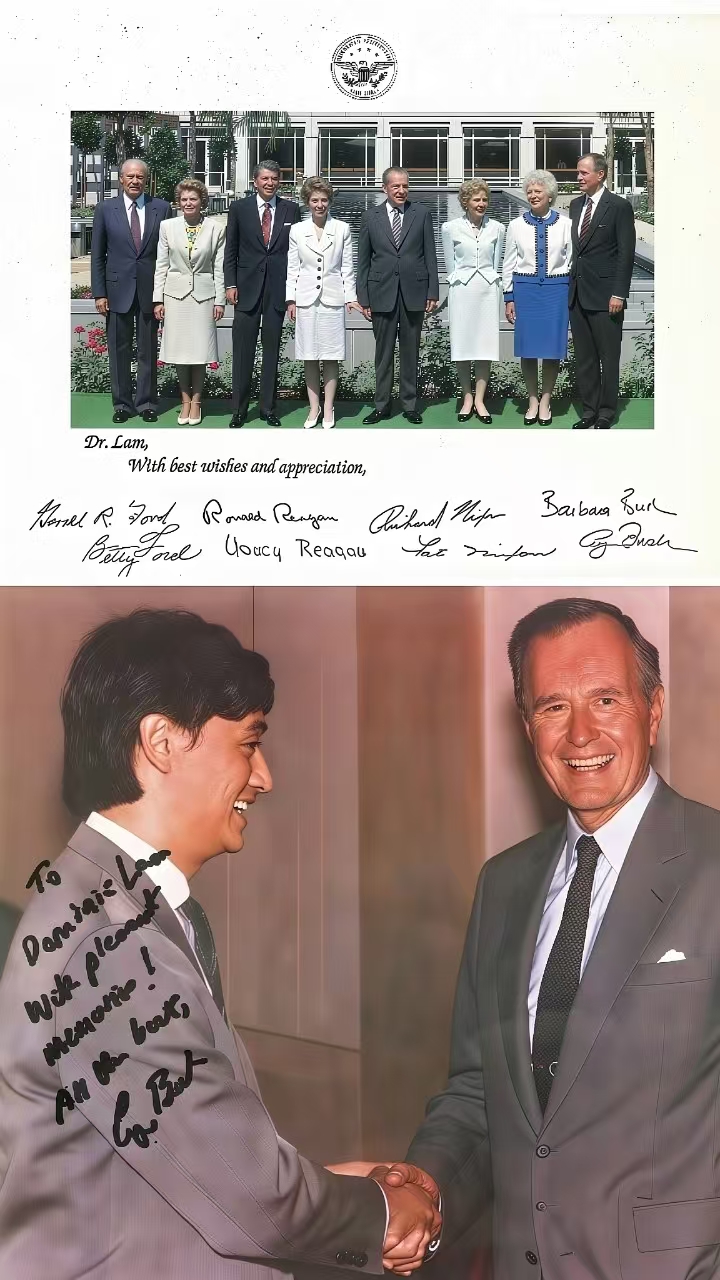
Published more than one hundred papers in leading journals, held 17 international patents, and received honors including a presidential commendation, a high-tech entrepreneur award, Asia Society recognition, and an international lifetime achievement award in biomedicine.
As Honorary Founding Dean, brought in the oral vaccine platform and global academic resources, while working with Academician Huang Xirun to advance technology transfer, nanobiomedicine planning, and Greater Bay Area industrial collaboration.

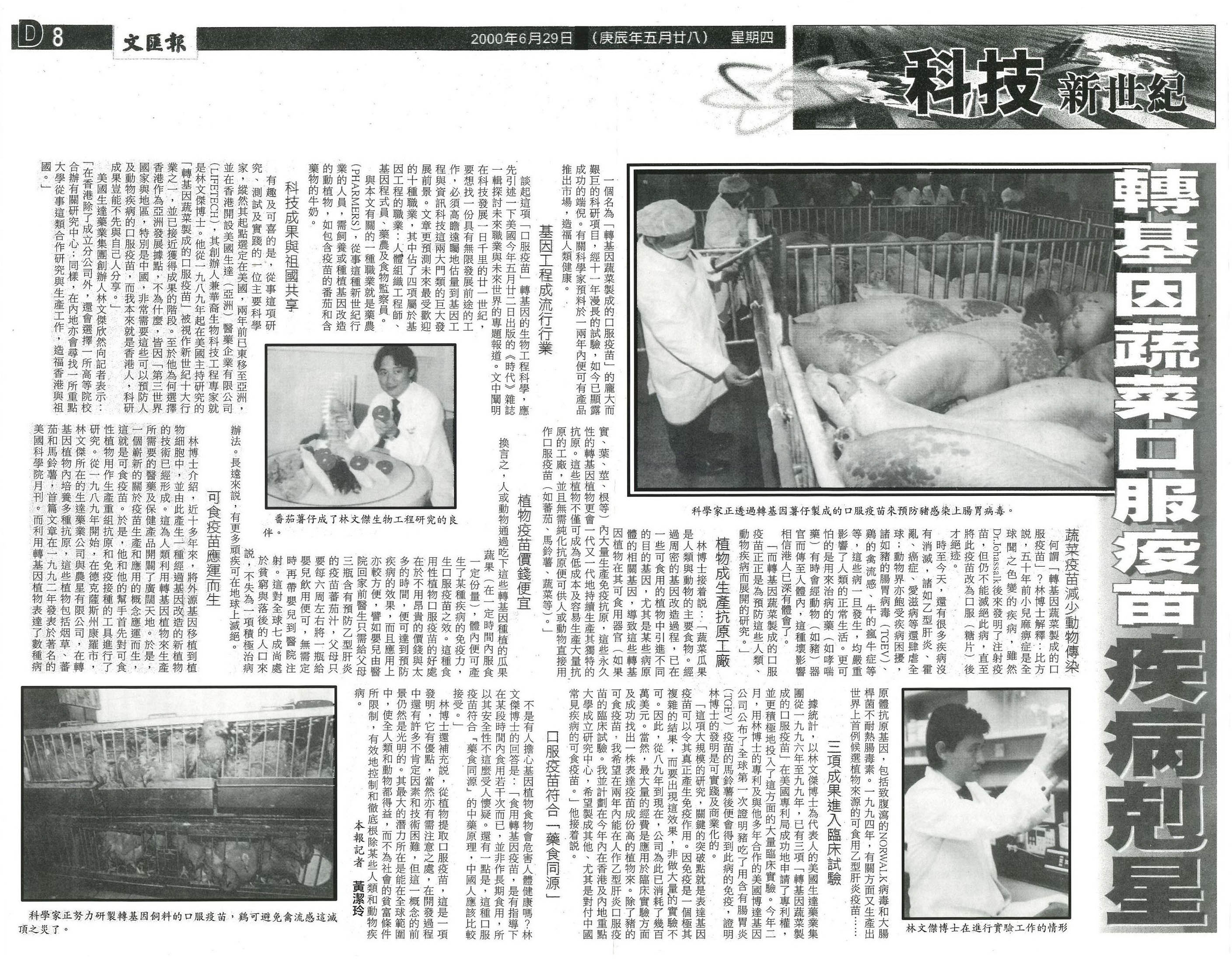
Founding President
International Biomedical Scientist
Professor Lin Wenjie is the founding president of the institute and a long-standing figure in biotechnology, ophthalmology, neuroscience, and oral vaccine research.
Founded Houston Biotechnology Company in Texas in 1985 and later established the U.S. Shengda Pharmaceutical Group.
First Chinese recipient of presidential commendation medals for distinguished biomedical research
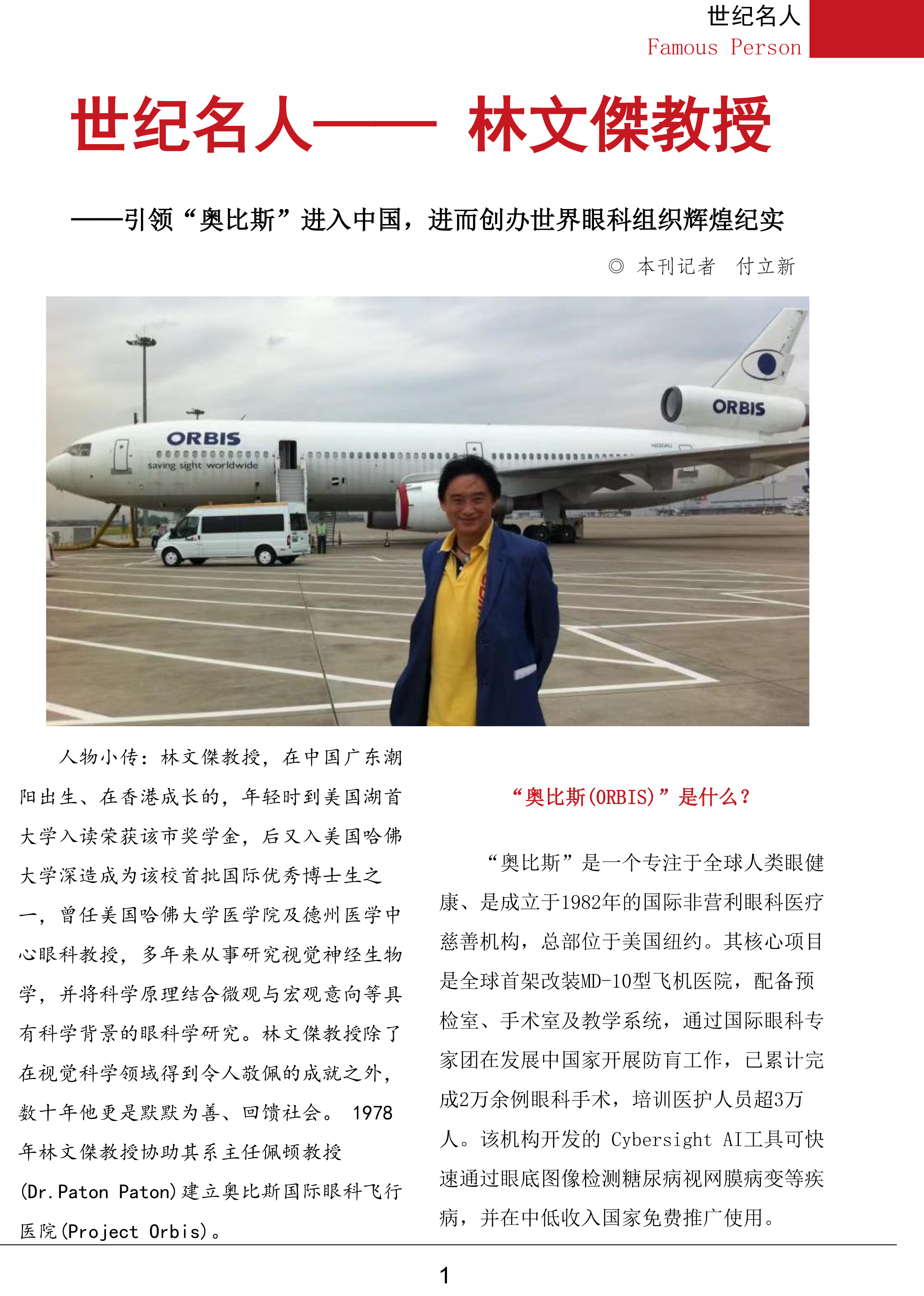
Helped promote ORBIS Flying Eye Hospital services in China and continued to support public eye-care and infectious disease prevention initiatives.
In 1988, Professor Dominic Lam developed and launched the world’s pioneering oral immunization technology at Houston Biotechnology Center. Distinct from traditional injection vaccines, it significantly improved ease of administration and public uptake.
Executive Vice President
Biomedical Engineering Leader
Huang Xirun serves as executive vice president of the institute and has long contributed to research coordination, project execution, patent translation, and industry collaboration.
Holds more than 20 invention patents in China and 3 international invention patents, with recognized innovation achievements.
Received the title of Hong Kong Biomedical Engineering Academician in 2023 and continues joint research with biomedical industry and virology partners.
In 2024, he acquired the title of “Fellow” of Pharmaceutical Engineering of the Royal Society of Medicine via invited assessment. This qualification is certified by the UK FCDO and formally endorsed by the High Court of HKSAR.
Also serves in multiple academic and industrial roles, helping drive cooperation in biosynthesis, translational programs, and platform development.
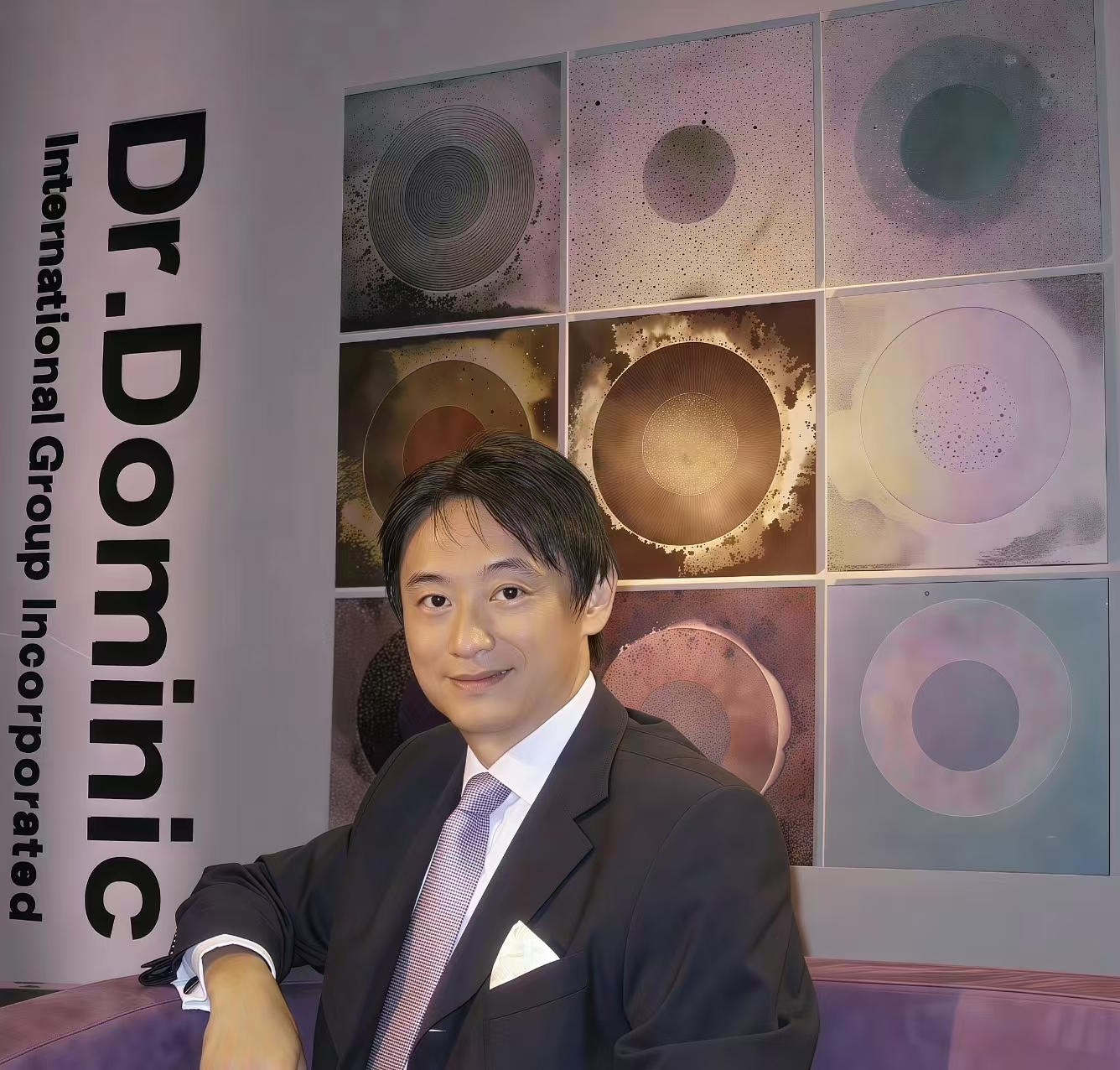
Founding President
A long-standing leader in biotechnology, ophthalmology, neuroscience, and oral vaccine research with experience spanning scientific innovation, industry practice, and international collaboration.
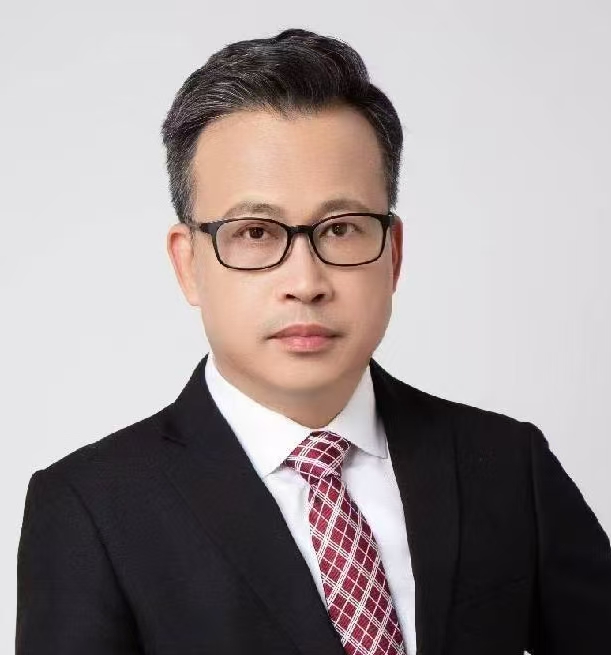
Executive Vice President
Doctor of Biomedical Science, Honorary Degree conferred by Duke University, Huang Xirun, Director of Chunlin Synthetic Biology Research Institute, Yuelu Mountain Laboratory, holds MD from Ross Business Institute (Silicon Valley), Honorary Doctorate in Biomedicine from Duke University, FRSM in Pharmaceutical Engineering and Fellow in Biomedical Engineering of the Hong Kong Industrial Professional Assessment Bureau, an interdisciplinary academician integrating scientific research, industrial operation and commercial management.
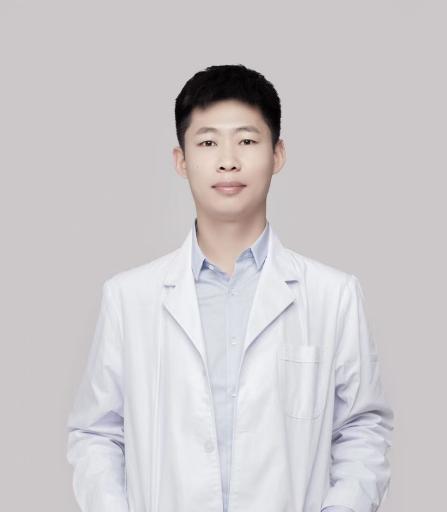
Professor, Department of Interdisciplinary Science for Biomedicine & Chinese Materia Medica (MD)
Zhang Zhibin, Male, PhD from Chengde Medical University, High-level Talents Introduced in Hebei Province. He currently serves as Director of the Traditional Chinese Medicine Classics Teaching and Research Section at Chengde Medical University. He has long been committed to research on the modern clinical application of classical prescriptions and the international dissemination of traditional Chinese medicine (TCM) culture.
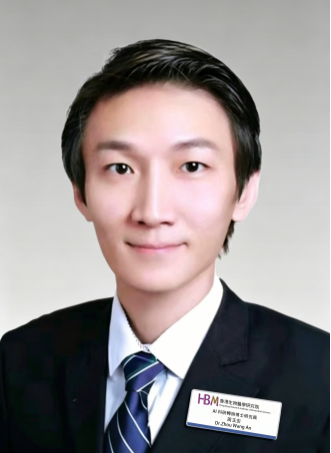
Professor, Division for AI‑Biomedical Automation & Computer Big‑Data Programming (PhD)
Dr. Penny Wong-On CHAO holds a PhD in Public Administration from the University of Macau and has 20 years of technology enterprise management experience, focusing on smart cities, digital health, the silver economy, and technology commercialization.
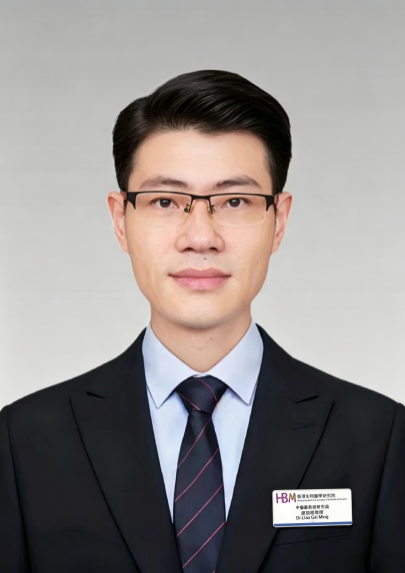
Professor, Division of R&D of New Technologies in Traditional Chinese Medicine
Liao Kaiming is a chief TCM physician, master's supervisor, and hospital vice president. Recognized as an outstanding Lingnan TCM talent and renowned TCM physician in Zhanjiang, he has worked in TCM internal medicine, teaching, research, and hospital management for 25 years.
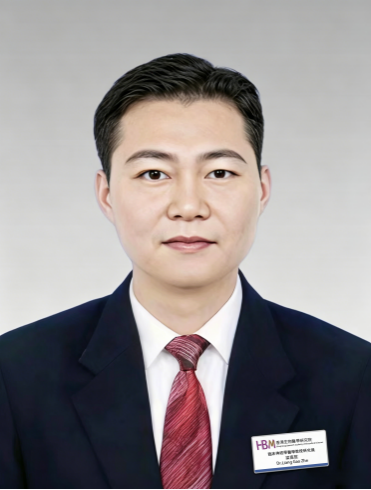
Department of Clinical Neurology Dr. (Senior Professional Title DR)
Liang Gaozhe is affiliated with Guangdong Medical University and works in neurorehabilitation, orthopedic rehabilitation, and frontline clinical practice, specializing in traditional and modern rehabilitation methods for stroke sequelae, sports injuries, and cervical and lumbar pain.
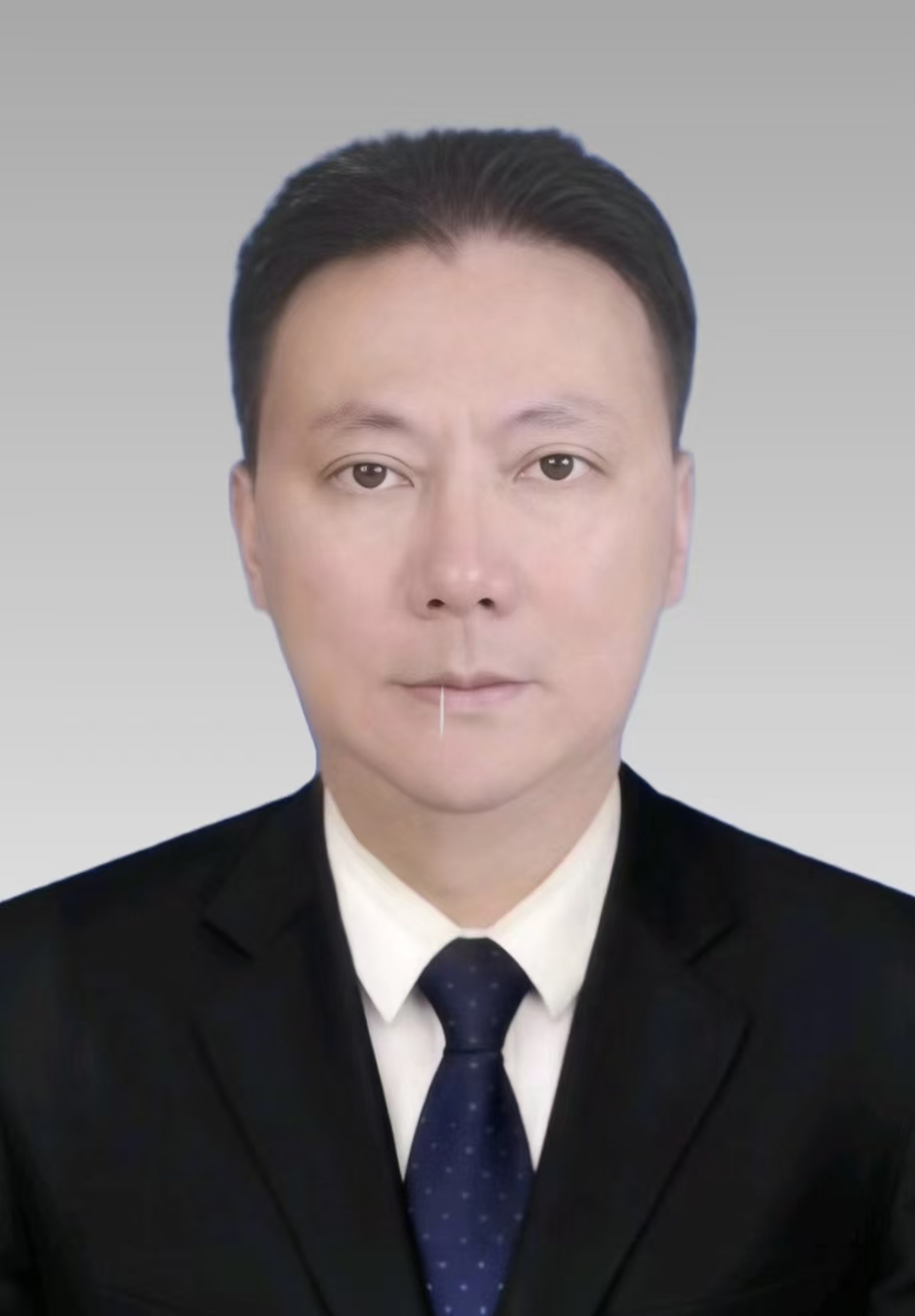
Department of Clinical Neurology Dr. (Senior Professional Title DR)
Director Huang Wei of the Second Affiliated Hospital of Guangdong Medical University, academic leader of the Rehabilitation Medicine Department, boasts over 20 years of experience in clinical rehabilitation. He specializes in personalized rehabilitation and chronic pain management with integrated Chinese and Western minimally invasive therapies for complicated rehabilitation cases.
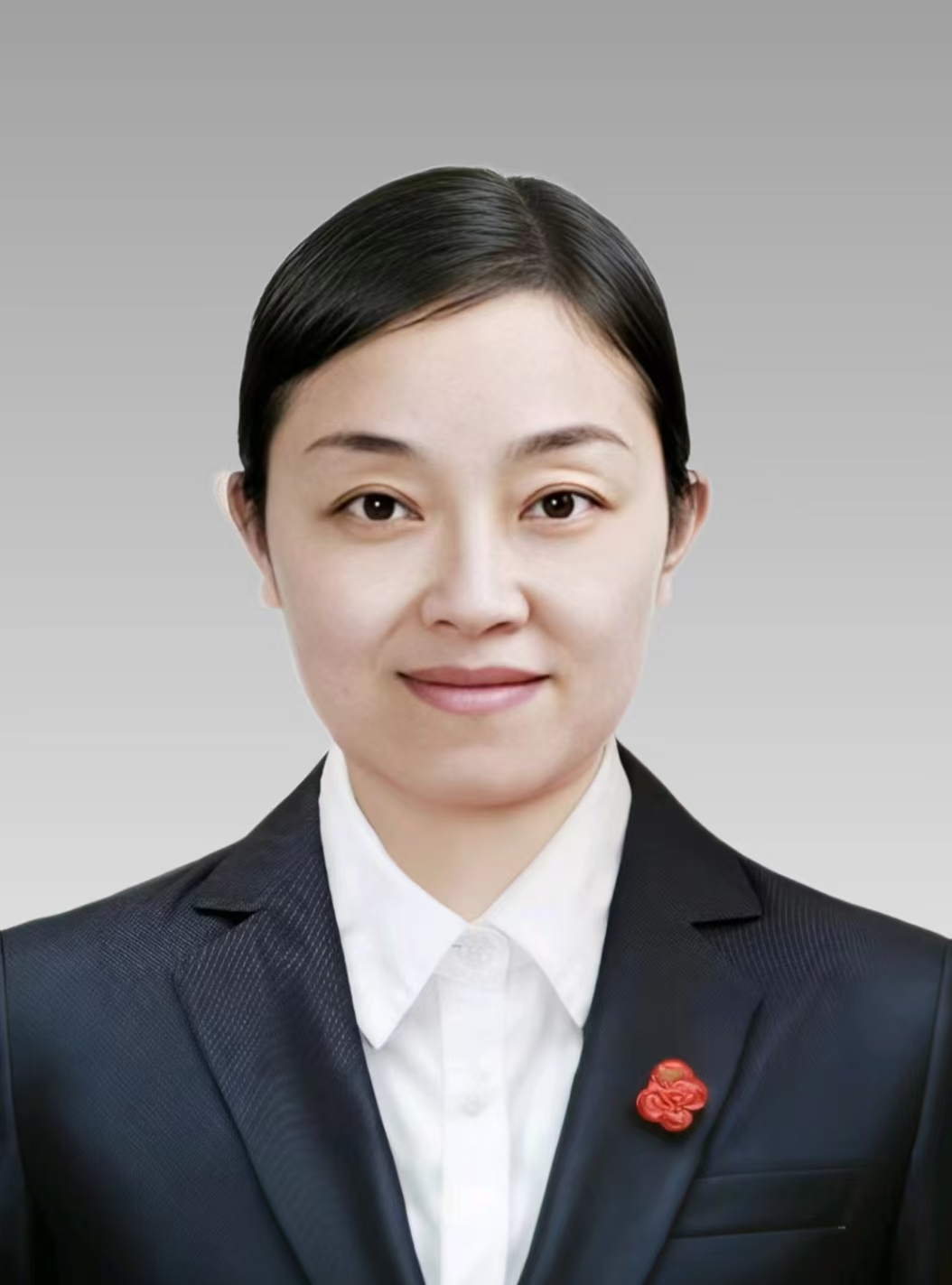
Professor, Department of Medical AI & Big Data
Associate Professor at the Intelligent Medical School of Chengdu University of Traditional Chinese Medicine and ISO International Standardization Registered Expert. Her main research covers digitalization of traditional Chinese medicine (TCM), medical big data mining, AI-based intelligent TCM syndrome differentiation, and smart healthcare information systems. She focuses on the interdisciplinary integration of artificial intelligence technology and traditional Chinese medicine, and specializes in TCM clinical data modeling, health data security, and the application of blockchain in medical services.